Otterton
History
The
Saxons first settled in the Otter Valley about
680AD where the various mini-rivers ran into the
wide Otter River Estuary. Otterton and East
Budleigh had sufficient water in these harbours
to take vessels of some size, especially at high
tides, and both became mini ports in due time.
400 years later both places were prosperous
trading ports. William the Conqueror granted
Otterton to the Abbey of Mont St.Michel in
Normandy for providing ships and men for his
invasion of England.
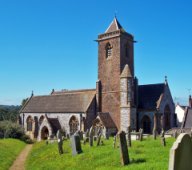
By 1161 a Priory had been built to the north
east of the Saxon Church with a Prior and 4
monks. 1415 the monks were evicted and the
priory granted to the Abbey of Syon, Middlesex
by Henry V, prior to his invasion of France. The
priory buildings became ruins and the estate was
managed for the Abbey by Stewards/Bailiffs who
probably lived in the Barton. By the late 1400's
Otterton Harbour was gradually silting up and
only small fishing boats could dock there.
However harbours lower down the Estuary were
still used by trading vessels. Merchants
mariners and shipowners were moving into the
Lower Otter Valley building houses and farms in
both East Budleigh and Otterton manors. Sheep
farming became the most profitable occupation
during the 15th & 16th. centuries.
At the Reformation 1539 both manors were bought
by Richard Duke. In the meantime the Otter
Estuary had silted up and a shingle bar was
forming across its mouth. The Rolles took the
two manors over in 1786. The Clintons in
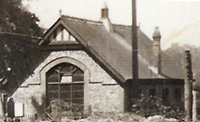
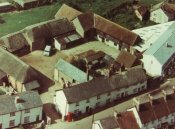
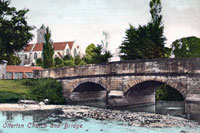
1907.The centre of Otterton had developed around
its harbor and Mill, with the Priory, Church and
Barton on the higher ground above. After its
silting up the harbour became the Village
Green.
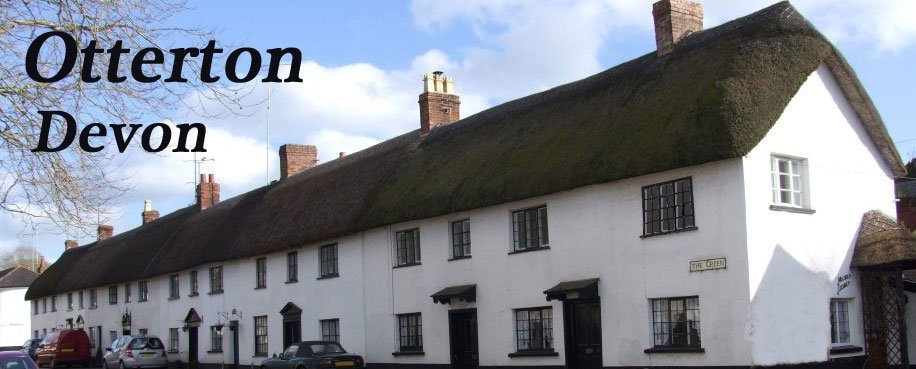
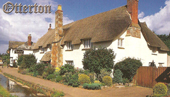
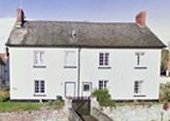
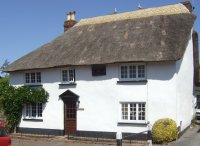
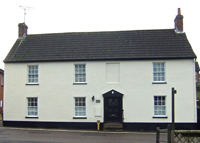
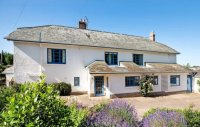
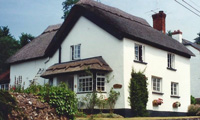
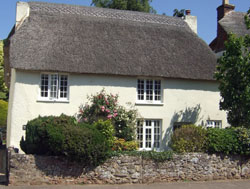
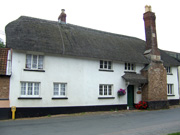
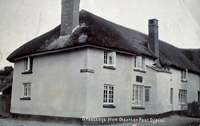
Development took place along Fore Street and
many farmhouses and barns were built along it.
Each farmer had his fields scattered throughout
the Parish. Fore Street divided into Bell Street
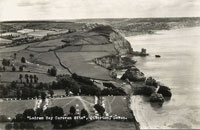
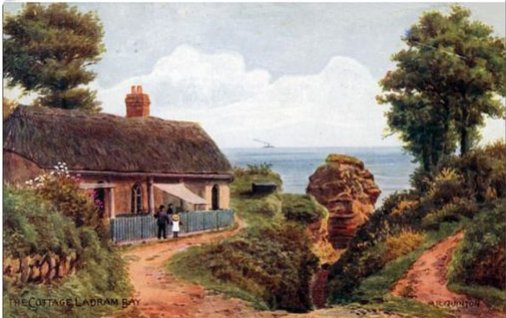
to Ladram Bay and Ottery Street to the north
with more farms. By the 18th. & early 19th.
centuries Otterton had become the principal
"town" in the Lower Otter Valley. Eventually the
village centre moved from the Green to the Fore
Street,
Bell Street road junction. Blacksmiths,
Wheelwrights, a Cooper, Saddler, Baker and
Butchers moved their businesses there and a Post
Office/Shop was opened.
The
late 20th. century has seen the disappearance of
all these facilities together with the working
farms. (1843 Tithe there were 11 in the main
street)
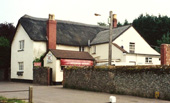
Today the centre of the village is now around
the Kings Arms and Village Hall which have
survived. The latter houses the Village Shop and
a hairdressers shop next door. We still have the
shops in the Mill.
© Gerald Millington 2016
Gerald
Millington Publications
All About Otterton (Behind the
picture postcard) by Gerald Millington &
Robert H. Jones
A Walk Around Otterton & Ladram
Bay By Gerald Millington
(Available at Otterton Mill & the
Village Shop)